How much heat it actually stops
Ordinary glass lets most of the sun's energy straight through. A good spectrally-selective film rejects a large share of that total solar energy (heat you feel) while still passing most of the visible light (daylight you want). The result on a west- or south-facing window is a room that stops spiking in temperature every afternoon, less strain on the AC, and fewer hot-and-cold spots between rooms. We'll give you the specific heat-rejection and light numbers for the film we recommend at the estimate.
It won’t make your rooms dark
This is the most common worry and it's outdated. Older "limo" tint traded daylight for heat control. Spectrally-selective film is engineered to separate the two — you can cut a large amount of heat and still have a bright room with a clear view out. If you also want a darker or more private look for a specific window, that's a separate choice, not a requirement.
Where it earns its keep in a Denver home
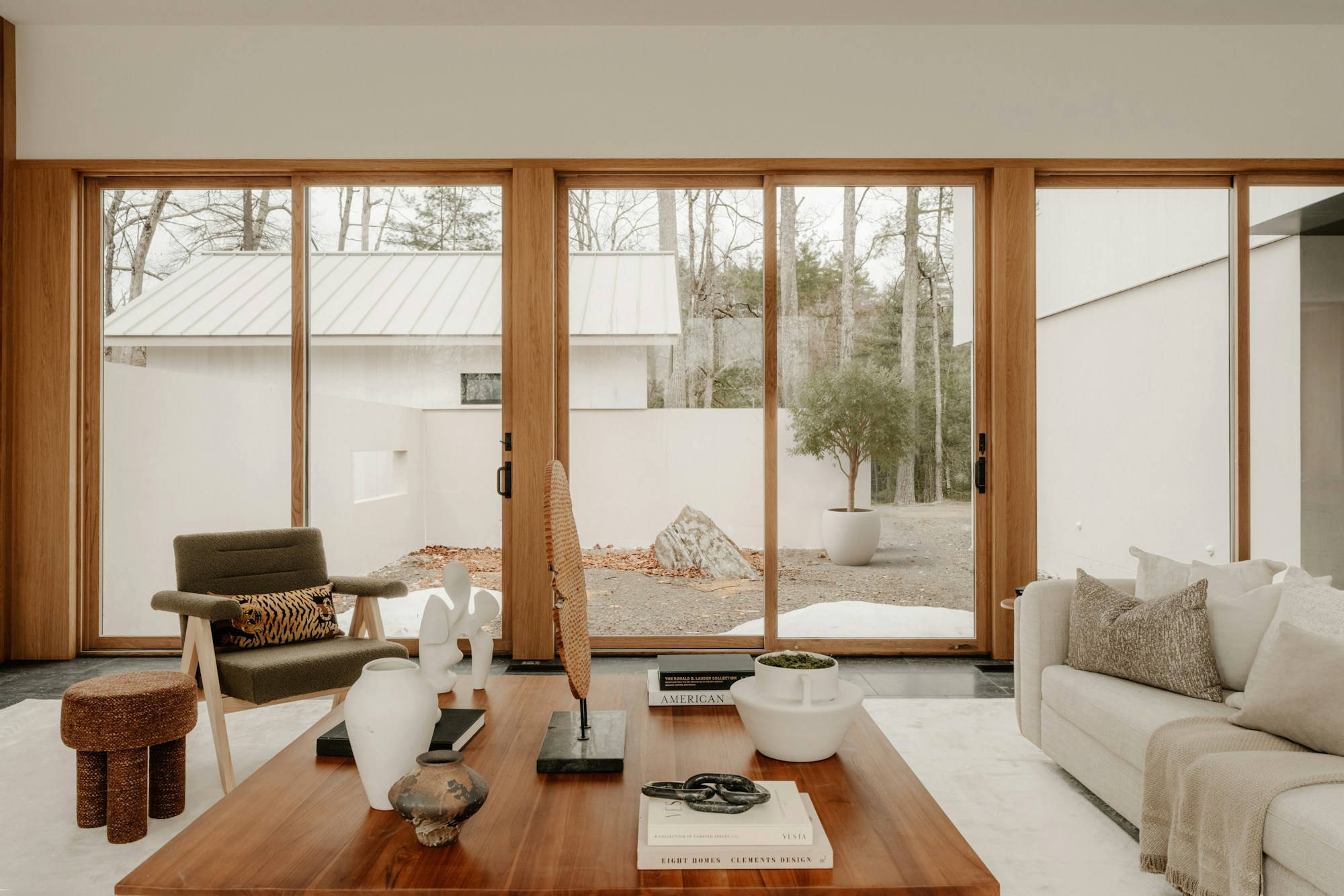
West- and south-facing living rooms, sunrooms and enclosed porches, upstairs bedrooms that bake in the afternoon, home offices with screen glare, and any wall of glass or large picture window. Colorado's high-altitude sun is intense — film that would be "nice to have" at sea level makes a real daily difference here.
Interior film, or exterior for tough cases
Most homes get interior film — installed from inside, protected from weather, easy to maintain. For glass that can't take an interior film safely (some coated or heat-treated units) or for the highest heat rejection on a brutal west elevation, an exterior film is an option. We identify which is right for your specific glass before quoting.